Provincial Licensing Shifts and Their Effect on Recurring Rewards at Canadian Sportsbooks
Taylor Albrecht · Nov 11, 2026
Provincial Licensing Shifts and Their Effect on Recurring Rewards at Canadian Sportsbooks
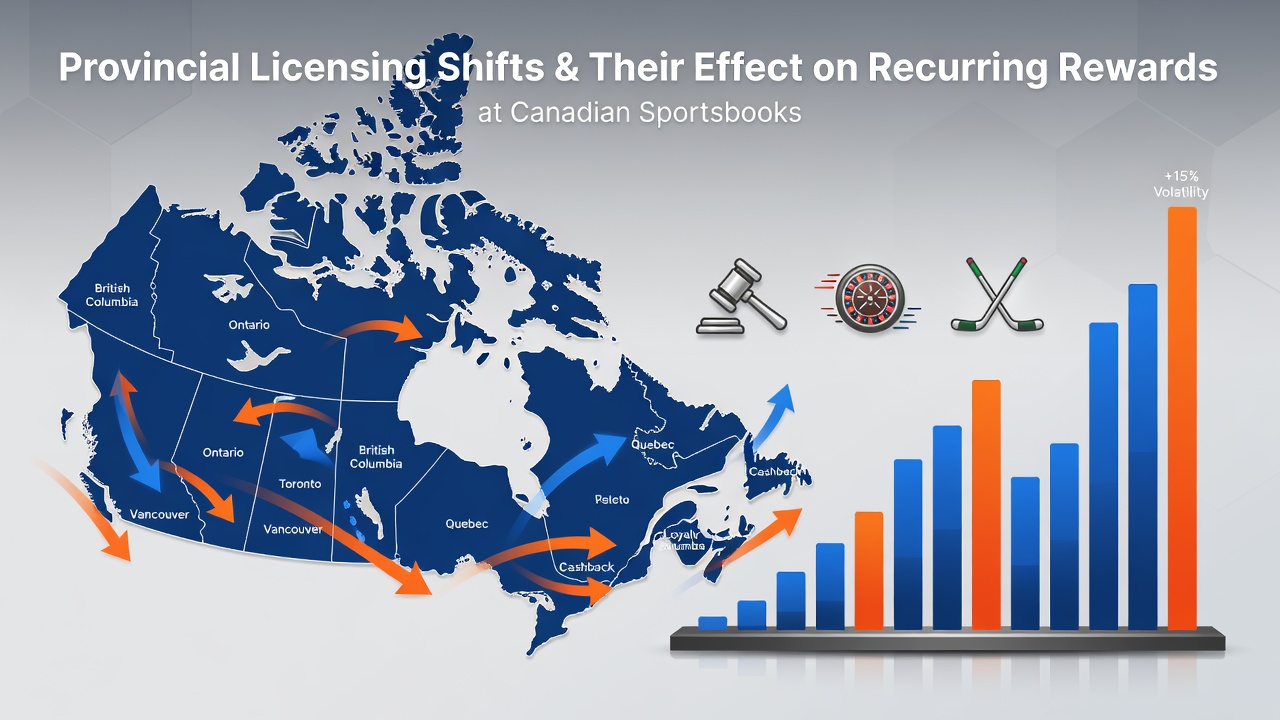
Provincial licensing frameworks across Canada continue to evolve as individual jurisdictions adjust their regulatory approaches to online sports betting, and these adjustments directly influence how operators structure recurring rewards such as reload bonuses, loyalty points, and cashback programs. In provinces where new licensing requirements took effect during 2026, operators have recalibrated their promotional calendars to align with updated compliance standards while maintaining player engagement through structured reward tiers.
Current Provincial Licensing Landscape
Ontario maintains its established framework through iGaming Ontario, whereas other provinces operate under different models that range from government-operated platforms in British Columbia to emerging regulatory proposals in regions like Alberta and Quebec. Data from regulatory filings shows that licensing criteria now incorporate specific provisions around promotional transparency, and these provisions extend to recurring reward mechanisms that previously operated with fewer restrictions. Operators must report reward program metrics on a quarterly basis in several jurisdictions, which creates a standardized reporting layer that was absent in earlier years.
November 2026 marks the midpoint of a transition period in multiple provinces where updated licensing applications require operators to demonstrate how recurring rewards will comply with new responsible gaming thresholds. Figures released by provincial authorities indicate that applications submitted after this date must include detailed projections on reward frequency and player eligibility criteria, shifting the operational focus from rapid bonus deployment to sustained compliance documentation.
Adjustments to Recurring Reward Structures
Operators have responded to these licensing shifts by modifying the structure of recurring rewards rather than eliminating them entirely. In provinces with stricter licensing, reload bonuses now carry extended wagering requirements that align with provincial guidelines on player protection, while loyalty programs have introduced tiered earning rates that scale according to verified activity levels. Research from Canadian gaming associations reveals that these modifications have led to higher average retention periods among players who participate in loyalty schemes, because the rewards distribute across longer timeframes instead of concentrating in initial deposit periods.
Take the case of one operator that expanded its presence into a newly regulated province during early 2026; after licensing approval, the company rebalanced its cashback program to trigger only after cumulative weekly wagers reached a defined threshold, a change that satisfied provincial audit requirements while preserving the reward's appeal for consistent users. Similar patterns appear across multiple platforms as they adapt their systems to meet jurisdiction-specific rules without disrupting player expectations built over previous seasons.
Regional Variations and Player Access
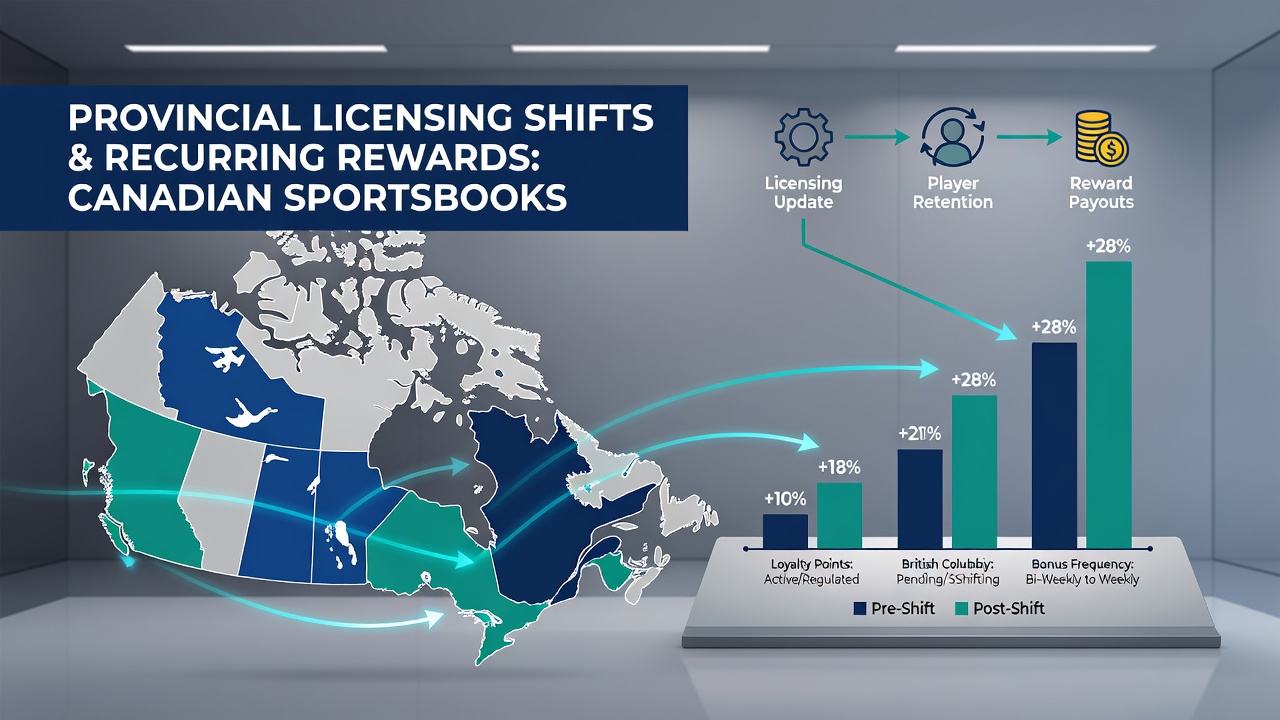
Provincial differences create distinct reward environments for players depending on their location. In Ontario, where licensing has been active longer, recurring rewards often feature more granular segmentation based on player history, whereas newer licensing regimes in other provinces emphasize uniform reward caps across all accounts to simplify oversight. According to industry reports from the Canadian Gaming Association, these variations have prompted operators to develop province-specific reward engines that automatically adjust eligibility and payout structures based on user registration data.
What's notable is how cross-provincial operators manage multiple compliance layers simultaneously, since a single platform must serve players under different rulesets. This has resulted in backend systems that track reward accrual separately by jurisdiction, ensuring that a player in one province does not receive offers that would violate another province's licensing terms. External data from academic studies on regulated markets, including work published by the University of Nevada's gaming research division, shows comparable multi-jurisdictional challenges in other countries where licensing fragmentation affects promotional continuity.
Operational Impacts on Operators
Licensing shifts have also influenced the technical infrastructure supporting recurring rewards. Operators report increased investment in compliance software that monitors reward distribution in real time, flagging any activity that approaches provincial spending or frequency limits. These systems integrate directly with player account management, which reduces manual oversight while providing audit trails required during license renewals.
But here's the thing: smaller operators face steeper adaptation costs because they lack the resources to build custom compliance modules, leading some to partner with larger platform providers that already maintain multi-province reward infrastructure. Data indicates that such partnerships have accelerated in late 2026 as licensing deadlines approach in additional provinces, allowing smaller entities to offer recurring rewards without developing independent systems from scratch.
Conclusion
Provincial licensing shifts continue to reshape how Canadian sportsbooks deliver recurring rewards, with changes centered on transparency requirements, reporting obligations, and alignment with responsible gaming standards. As more provinces finalize their frameworks through 2026 and beyond, operators maintain focus on compliant reward structures that sustain player engagement across diverse regulatory environments. The ongoing adjustments reflect broader trends in Canadian iGaming where licensing evolution drives operational refinement rather than wholesale elimination of promotional tools.